Storm Flood Cleanup in Overland Park, KS
Outside floodwater carries soil, runoff and sewage, so it is Category 3. The restoration team removes it, strips what it touched, treats the structure and dries it.
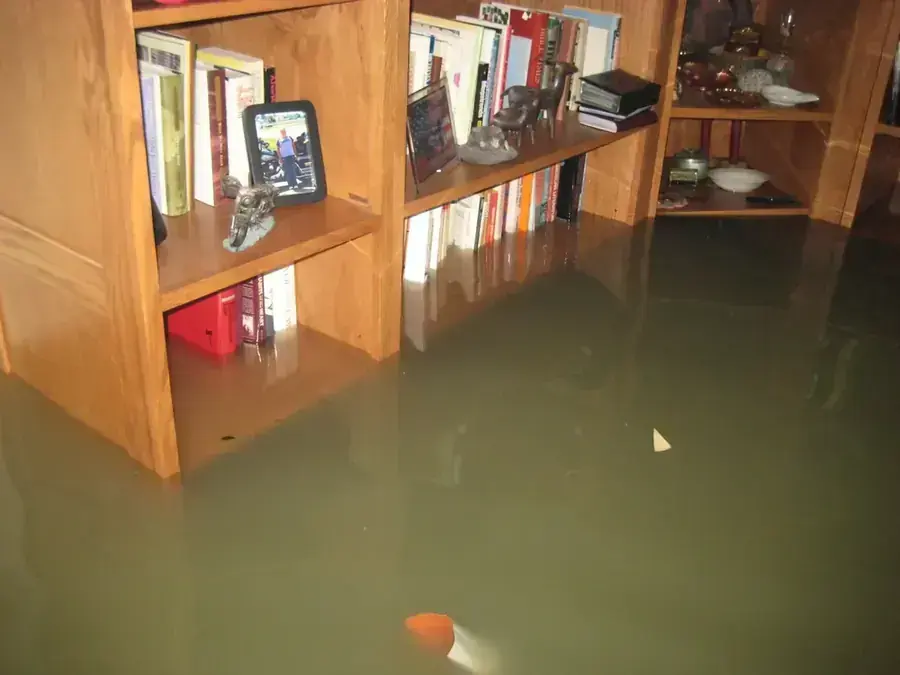
What to do the moment you find storm flooding
- Stay safeKeep out of floodwater near outlets; turn off power only from a dry spot.
- Wait for it to dropDo not pump a basement while the ground outside is still flooded.
- DocumentPhotograph the water line and damage before anything moves.
- Call for cleanupThe restoration team removes, treats and dries.
How storm flooding is handled in Overland Park, KS
- 01First visit
Moisture mapping
The tech who does the walkthrough maps wet materials with pinless meters and thermal imaging before any equipment goes down.
- 02Day 0
Extraction
The extraction crew pulls standing water with truck-mounted extraction and sets the category and class of the loss.
- 03Days 1 to 3
Air movers and LGR
The drying team sizes air movers and LGR dehumidifiers to each room's evaporation load and records readings daily.
- 04Days 3 to 5, typical
Dry verification
Equipment comes out when the readings reach the drying goal. Hardwood, plaster and slab take longer.
The drying goal: wet materials read within 2 to 4 points of a dry reference material in the same building. Equipment leaves on readings, not on a schedule.
What does storm flooding cost in Overland Park, KS?
In Overland Park, KS, storm flood cleanup typically runs $3,000 to $15,000 or more, because Category 3 floodwater means removal of porous materials, antimicrobial treatment and full drying.
- Extraction and cleaning
- Antimicrobial
- Drying
- Flood cuts
- Carpet and pad out
- HEPA air scrubbing
- Several rooms
- Full removal
- Complete documentation
What moves the number: the square footage flooded, the water height on the walls, the material class, and how fast cleanup started. For a closer planning range, try the water damage cost calculator. These are typical ranges, not quotes.
Kansas City storms can drop several inches of rain in a few hours. In Overland Park that water runs off streets and roofs into Indian Creek, Tomahawk Creek and Turkey Creek, and the creeks rise fast. The Indian Creek corridor from Quivira Road east through Brookridge sits in mapped flood hazard areas, and lower streets near the creeks see water in yards, garages and walkout basements.
Why floodwater is Category 3
Water that crossed lawns, streets and storm drains carries soil, fertilizer, oil and often sewage. The IICRC treats it as Category 3 from the start. That changes the cleanup:
- Carpet, pad and upholstered furniture it touched are removed
- Drywall and insulation are cut above the water line
- Hard surfaces are cleaned and treated with an EPA-registered antimicrobial
- HEPA air scrubbers run during removal
- Structural drying starts only after cleaning
Never walk through floodwater near outlets or appliances, and do not enter a basement until power to it is off. Call (888) 902-1696 once it is safe.
Track the creek
NOAA runs a river gauge on Indian Creek at Overland Park that shows current and forecast levels. The National Weather Service flood safety page explains watches and warnings. When the water goes down, photograph everything before cleanup starts; that record matters for any claim.
Flood versus plumbing water
Surface floodwater is usually handled under flood coverage, which is separate from a standard homeowners policy. Water from a burst pipe is treated differently. If storm water came in through the sump or floor drain instead of a door or window, see sump pump failure and sewer backup cleanup.
Covering Overland Park and nearby Johnson County
The restoration team covers every Overland Park ZIP, from Downtown Overland Park and Nall Hills to Blue Valley, Stanley and Morse, plus Leawood, Olathe, Lenexa, Shawnee, Merriam, Mission and Prairie Village.
See every neighborhood and ZIP coveredStorm Flood Cleanup questions in Overland Park, KS
Is storm floodwater dangerous?
Yes. It is Category 3 water that can carry sewage and chemicals, so protective gear and removal of porous materials are standard.
Where does flooding happen in Overland Park?
Lower areas near Indian Creek, Tomahawk Creek and Turkey Creek see the most, but a cloudburst can flood any street with overwhelmed storm drains.
Can carpet be saved after floodwater?
No. Carpet and pad touched by Category 3 floodwater are removed.
Is flood damage covered by homeowners insurance?
Surface flooding is usually handled by separate flood coverage. Coverage depends on your policy, so it is worth checking with your own insurer.
How long does flood drying take?
Usually four to seven days after removal, longer if framing or hardwood soaked for a long time.
Should I pump out the basement right away?
Not while the ground outside is still saturated. Pumping too early can let outside pressure crack the walls.
Storm flooding in Overland Park? Call now.
The restoration team removes contaminated materials, treats the structure and dries it to a verified reading.